
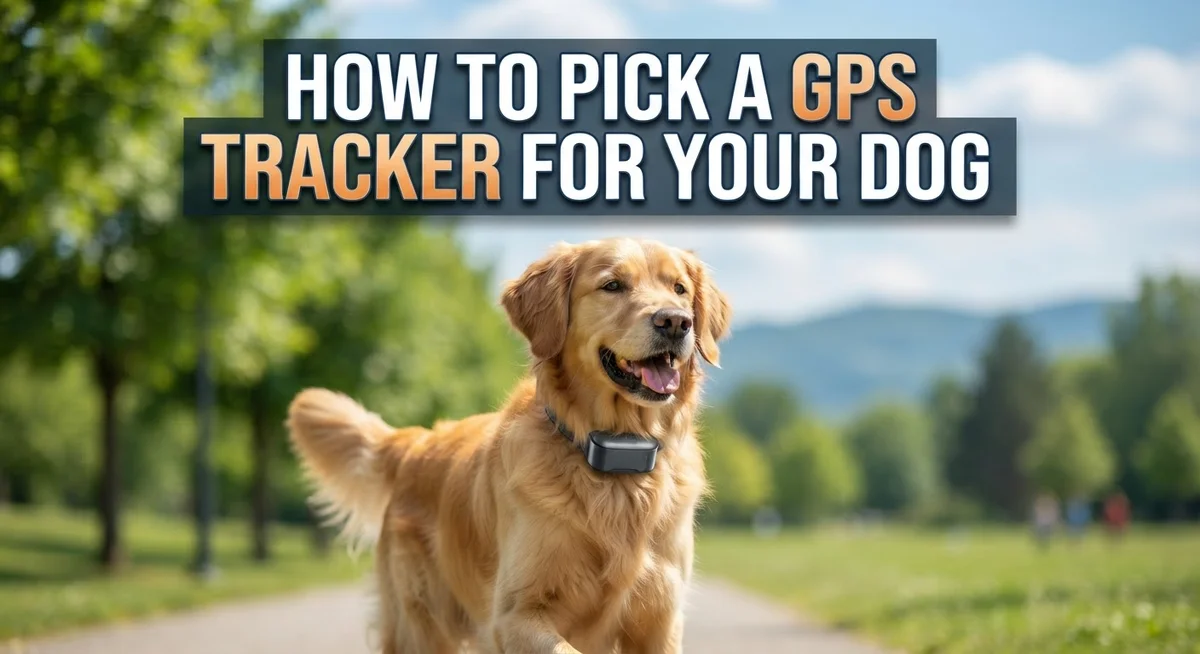
How to Pick a GPS Tracker for Your Dog: A Complete Guide
Does your dog love to explore? That curiosity can lead to trouble fast. A GPS tracker helps you find your furry friend the moment they wander off.
But picking the right tracker feels tricky. There are so many options out there. How do you know which one actually works?
Many pet owners make simple mistakes. They choose a bulky tracker just to avoid frequent charging. This often causes discomfort and makes the tracker less effective.
Size and fit matter more than people think. A tracker that is too big can hurt your dog’s movement. It might even cause them to ignore or resist wearing it.
This guide walks you through everything you need to know. We will cover tracking range, battery life, and GPS accuracy. You will also learn about durability and cost comparisons.
We will explain the difference between stand-alone trackers and collar-integrated designs. By the end, you will know exactly what to look for.
Choosing a good tracker keeps your dog safe and gives you real peace of mind. Let’s find the perfect fit for your best friend.
In a Nutshell
Picking the perfect GPS tracker does not have to feel complicated. Here is a quick summary to keep in mind before you buy.
-
Check the fit first. Your dog’s size determines the right tracker. A bulky or oversized device causes discomfort and rubbing.
-
Battery life matters a lot. Look for a tracker that lasts through your dog’s typical day. Frequent charging gaps can leave you without coverage.
-
GPS accuracy is key. A tracker should connect fast and update location often. Slow or unreliable signals defeat the purpose.
-
Think about tracking range. Some trackers work best in your neighborhood. Others cover much larger areas for active dogs.
-
Durability counts too. Your dog plays, runs, and gets wet. The tracker must handle all of that without breaking.
-
Compare stand-alone versus collar-integrated designs. Each option has its own benefits. Choose based on comfort and your dog’s lifestyle.
-
Pair it with a secure harness. This adds extra safety for outdoor adventures. It also prevents your dog from slipping away unexpectedly.
Keep these points close by. They make choosing simple and stress-free.
Understanding How GPS Dog Trackers Work
GPS dog trackers use satellite signals to pinpoint your dog’s location in real time. When your tracker powers on, it connects to multiple satellites orbiting Earth. This connection process takes a few seconds to a few minutes depending on signal strength and weather conditions.
Once connected, the tracker sends location data to your smartphone or computer through cellular networks or internet connectivity. You receive regular updates showing exactly where your dog is at any moment. The frequency of these updates varies by device, with some sending information every few seconds and others every few minutes.
Accuracy depends on several factors. Clear skies provide better signal reception than dense forests or urban areas with tall buildings. Most modern GPS trackers achieve accuracy within 5 to 50 feet of your dog’s actual position. This level of precision helps you locate your pet quickly if they wander off.
Battery life powers the entire system. Your tracker needs enough energy to maintain satellite connections and transmit data continuously. Smaller trackers often have shorter battery life because they hold less power. Larger devices can run longer between charges but may feel uncomfortable on smaller dogs.
The tracking range represents how far away your dog can go while staying connected. Some trackers work across your entire city or region. Others function best within a few miles of your home. This depends on whether the device uses GPS alone or combines GPS with cellular networks.
Weather conditions affect performance too. Rain, snow, and clouds reduce signal strength slightly but rarely block connections completely. Your tracker keeps working in most situations, though response times might slow during severe storms.
Understanding these basics helps you choose a tracker matching your dog’s lifestyle and your needs.
Key Factors to Evaluate Before Choosing a Tracker
Before you buy a GPS tracker for your dog, you need to understand what matters most. Start by thinking about your dog’s size and activity level. A small Chihuahua needs a lightweight tracker, while a large Golden Retriever can handle something more substantial.
Battery life is crucial. Ask yourself how often you’re willing to charge the device. Some trackers last one day. Others last a week or more. Your daily routine determines what works best. If your dog spends hours outside, you need longer battery life.
GPS accuracy tells you how precise the location data is. A tracker should pinpoint your dog within a few feet, not a few blocks. Fast signal connection matters too. The device should update your dog’s location every few seconds or minutes, not every hour.
Consider your tracking range needs. Do you live in a small apartment complex? Or do you have acres of land? Some trackers work within one mile. Others reach across your entire city or state. Match the range to your lifestyle.
Durability is non negotiable. Dogs splash in water, roll in mud, and bump into things. Your tracker must survive these activities without breaking. Check what materials the device uses and how waterproof it actually is.
Think about total cost. Many trackers require monthly subscription fees beyond the purchase price. Some charge for GPS access. Others include cellular data in the price. Calculate what you’ll spend over a year, not just the upfront cost.
Weather resistance matters too. Rain, snow, and extreme heat all affect performance. A good tracker handles seasonal changes without losing accuracy or dying prematurely. Your dog deserves a device that works year round, rain or shine.
Matching Tracker Size and Fit to Your Dog
Your dog’s size determines which tracker works best. A small chihuahua needs something lightweight and compact. A large German Shepherd can handle a bigger device without discomfort. Match the tracker weight to your dog’s body frame.
Heavy trackers tire out small dogs quickly. Your pup may develop neck strain or shoulder soreness if the device is too heavy. Small dogs typically do well with trackers under 1 ounce. Medium and large dogs can handle slightly heavier options, but lighter is still better.
Consider where the tracker attaches to your dog. Most trackers clip onto collars using standard attachment points. Some integrate directly into the collar itself. The attachment method affects how secure and comfortable the fit feels. A loose tracker slides around and causes irritation. A tight fit restricts movement and creates discomfort.
Measure your dog’s neck before selecting a tracker. You need enough room to slip two fingers under the collar comfortably. This space prevents choking while keeping the tracker stable. Oversized collars slip off easily. Undersized collars restrict breathing and blood flow.
Test the tracker’s profile against your dog’s body. Bulky rectangular designs may poke into your dog’s side when lying down. Streamlined, rounded shapes sit flatter against the body. Your dog should move naturally without the device catching on furniture or branches.
Weight distribution matters too. A tracker positioned at the front of the collar pulls differently than one at the back. Front positioning can cause neck strain during walks. Back positioning distributes weight more evenly across the shoulders.
Check that the tracker has smooth edges with no sharp corners. Dogs move quickly through tight spaces. Rough edges scratch skin and create sores. Rounded, smooth surfaces prevent injury during active play.
Your dog’s comfort directly affects how long they’ll wear the tracker successfully. Uncomfortable devices get removed or cause behavioral changes. Take time to ensure proper sizing and fit before committing to any option.
Step-by-Step Process for Selecting the Right Tracker
Start by identifying your dog’s specific needs. Ask yourself where your dog spends most of their time. Do they roam freely in a large yard, or stay mostly indoors? This answer shapes everything else you decide.
Next, examine tracking range options. Some trackers work within your neighborhood only. Others function across entire countries or continents. Match the range to your lifestyle and how far your dog typically wanders.
Battery life deserves serious attention. Check how long the device runs between charges. A tracker dying after one day becomes useless if you forget to charge it daily. Consider your willingness to plug in the device regularly.
GPS accuracy matters significantly. The tracker should locate your dog within a few feet, not a city block away. Read specifications carefully to understand precision levels.
Evaluate durability standards next. Dogs jump, swim, and play rough. Your tracker must survive water exposure, mud, and accidental impacts. Check if the device has weatherproof ratings.
Now assess total costs involved. Purchase price is only the beginning. Many trackers require monthly subscription fees for cellular service or app access. Add these ongoing expenses to your budget calculation.
Compare stand alone trackers versus collar integrated options. Stand alone devices clip onto existing collars. Integrated trackers combine GPS with the collar itself. Each approach has different comfort implications for your dog.
Test weight and bulk carefully. Pick up the actual device and feel its heaviness. Imagine this attached to your dog’s neck all day. Heavy trackers cause neck strain and discomfort.
Check attachment methods thoroughly. Does it clip, snap, or screw on? Can your dog accidentally slip free? Secure attachment prevents loss and escape.
Finally, verify edge quality and safety features. Run your fingers across the entire device surface. Sharp corners or rough edges irritate your dog’s skin. Smooth, rounded designs prevent injury during active play.
Tips for Ensuring Comfort and Effective Use
Your dog’s comfort and the tracker’s effectiveness go hand in hand. A tracker that causes discomfort will sit unused in a drawer, defeating its entire purpose.
Start by ensuring the device fits your dog’s body properly. Small dogs need lightweight trackers that don’t pull on their necks or create pressure points. Large dogs can handle heavier units, but oversized trackers still cause problems even on bigger frames.
Weight matters more than you might think. A tracker that’s too heavy shifts your dog’s posture and tires them faster during walks or play. Your dog may shake their head repeatedly or try to remove the collar entirely if something feels wrong.
Check the tracker’s edges and corners carefully. Smooth surfaces prevent skin irritation, while sharp or rough edges cause discomfort and potential injury. Run your fingers along every part of the device before attaching it to your dog.
Position the tracker thoughtfully on the collar. Placing it at the front pulls differently than positioning it to the side or back. Test different placements to see what your dog tolerates best and what provides the clearest GPS signal.
Monitor your dog during the first few days of wearing the tracker. Watch for excessive scratching, head shaking, or collar avoidance. These signs indicate discomfort that needs addressing.
Battery life directly impacts comfort too. If you’re constantly charging the device, you’ll frequently remove and reattach it, causing unnecessary stress. Longer battery life means fewer interruptions to your dog’s routine.
Consider using the tracker with an escape proof safety harness for outdoor protection. This distributes weight across your dog’s body instead of concentrating it on the neck alone. Your dog will move more naturally and comfortably throughout the day.
Regular comfort checks help you spot problems early. Feel around the collar area for hair loss or skin irritation. Adjust the fit as your dog grows or gains weight to maintain proper comfort levels.
Common Mistakes to Avoid When Choosing a Tracker
Many dog owners make decisions that seem smart at first but backfire in practice. Understanding these mistakes helps you avoid wasting money and keeping your pup uncomfortable.
One major mistake is choosing an oversized tracker to skip frequent charging. You think a bigger device means longer battery life, so you buy it anyway. The problem? Your dog carries extra weight that causes discomfort and actually reduces how well the tracker works. A device that’s too large shifts around on the collar and gives less accurate readings.
Another common error is ignoring your dog’s actual size when shopping. Small dogs need small trackers. Medium or large trackers on tiny dogs feel like carrying a brick. Your pup will try to shake it off or refuse to wear it. This defeats the entire purpose of having a tracker at all.
People also overlook battery life requirements before buying. They purchase a tracker, bring it home, and discover it only lasts two days before needing a charge. If you work long hours or travel frequently, this becomes frustrating fast. Always check how long the battery actually lasts under normal use.
Don’t skip the durability check either. You might find a cheap option that looks fine online, but it breaks after a few weeks of normal dog life. Your pup plays, runs, and gets wet. The tracker must survive this lifestyle.
Finally, many owners pick trackers without thinking about total cost. The device itself might be affordable, but monthly subscription fees add up quickly. Calculate the full yearly expense before deciding. Some trackers cost far more over time than others.
Taking time to avoid these mistakes means you’ll pick a tracker your dog actually wears and that gives you reliable location data when you need it most.
Maintaining and Troubleshooting Your GPS Tracker
Your GPS tracker needs regular attention to work properly and keep your dog safe. A device that stops working defeats its purpose entirely, so maintenance matters more than most owners realize.
Check your tracker’s battery level weekly. A dead battery means zero location data when you need it most. Most trackers show battery status through an app or light indicator. Charge it before the battery completely drains. This protects the battery’s long term health and ensures continuous protection for your dog.
Keep the tracker clean and dry. Dirt and moisture damage the device over time. Wipe it down with a soft cloth after outdoor activities. If your dog swims or gets caught in rain, dry the tracker as soon as possible. Check that all seals and covers stay tight.
Test your tracker monthly to confirm it’s sending accurate location updates. Open your app and verify the signal shows your dog’s real location. If the location seems wrong, move your dog to an open area away from buildings and trees. GPS signals work better outdoors with clear sky visibility.
Inspect the attachment points regularly. The clip or strap that holds the tracker to the collar can wear out from constant movement. Look for cracks, loose connections, or broken pieces. Replace worn straps before they fail completely.
If your tracker stops responding, try these steps. First, restart the device if it has a power button. Second, check your smartphone’s app and make sure it’s updated to the latest version. Third, verify your internet connection works properly. Fourth, restart your phone. Finally, contact the manufacturer’s support team if problems continue.
Keep records of when you charge and maintain your tracker. This helps you spot patterns. For example, if battery drains faster than usual, the device might need replacement soon. Regular maintenance keeps your tracker reliable and your dog protected.
Final Thoughts
Picking the right GPS tracker takes some thought. But the effort pays off when your dog stays safe and happy.
Comfort and fit matter most. A tracker that fits well gets worn consistently. One that feels wrong ends up ignored in a drawer.
Think about your dog’s daily life. An active dog needs strong battery life and a tough build. A smaller dog needs a lighter, more compact tracker.
Range and accuracy should match how you use the tracker. If your dog roams large yards or hikes trails, you need wide coverage and quick GPS updates.
Don’t ignore the basics either. Check battery life, durability, and total cost before you commit to any tracker. These three factors decide whether the device actually works for your lifestyle.
Avoid common traps too. Buying an oversized tracker to reduce charging trips often backfires. It causes discomfort and makes your dog less likely to wear it.
Skipping a proper fit check is another mistake. Your dog’s comfort directly affects whether the tracker stays on and works as intended.
Testing before you fully commit helps a lot. Try the tracker for a few days first. Watch how your dog reacts and adjusts.
Stand-alone trackers and collar-integrated options both have their place. Your choice depends on your dog’s size, activity level, and your daily routine.
In the end, the best tracker is one that fits your dog’s needs, not just the flashiest features. Prioritize comfort, reliability, and practical use over anything else.
Take your time comparing options. Ask the right questions about range, battery, accuracy, and durability.
A well chosen GPS tracker gives you peace of mind. It also gives your dog freedom to explore safely, knowing you can always find them when it matters most.
Frequently Asked Questions
How far can a GPS tracker actually track my dog?
Tracking range depends on the specific model you choose. Most trackers work within a few miles to several miles of your phone or base station. Some use cellular networks and offer unlimited range, while others rely on Bluetooth or local signals with shorter distances.
Check the range specifications before buying. Match the range to where your dog spends time. If your dog stays mostly in your yard, a shorter range works fine. Dogs that roam further need trackers with extended coverage.
How long does the battery last on these trackers?
Battery life varies widely. Some trackers last 3 to 5 days between charges. Others go 7 to 14 days. A few premium models claim even longer periods.
Consider your charging habits. If you forget to charge things regularly, pick a tracker with longer battery life. Smaller trackers usually need charging more often. Larger ones may last longer but could feel uncomfortable on smaller dogs.
How accurate is GPS tracking for dogs?
GPS accuracy typically ranges from 5 to 50 feet, depending on conditions. Urban areas with tall buildings may have less accuracy. Open spaces usually provide better results. Weather and cloud cover can affect performance too.
Real world accuracy is usually good enough to locate a lost dog. You’ll pinpoint their general area quickly. This helps you search more effectively than without a tracker.
Is a stand-alone tracker better than one built into a collar?
Both options work. Stand-alone trackers offer flexibility since you can move them between collars. Collar-integrated trackers are simpler and don’t add extra weight.
Pick based on your preference. Stand-alone trackers work well if you switch collars often. Integrated options suit dogs that wear the same collar daily.

Dillip started Before You Checkout after one too many disappointing online purchases, and now spends his time researching products across home, tech, fitness, and everyday essentials. He writes straightforward reviews and how-to guides for people who want a clear answer, not a sales pitch.


