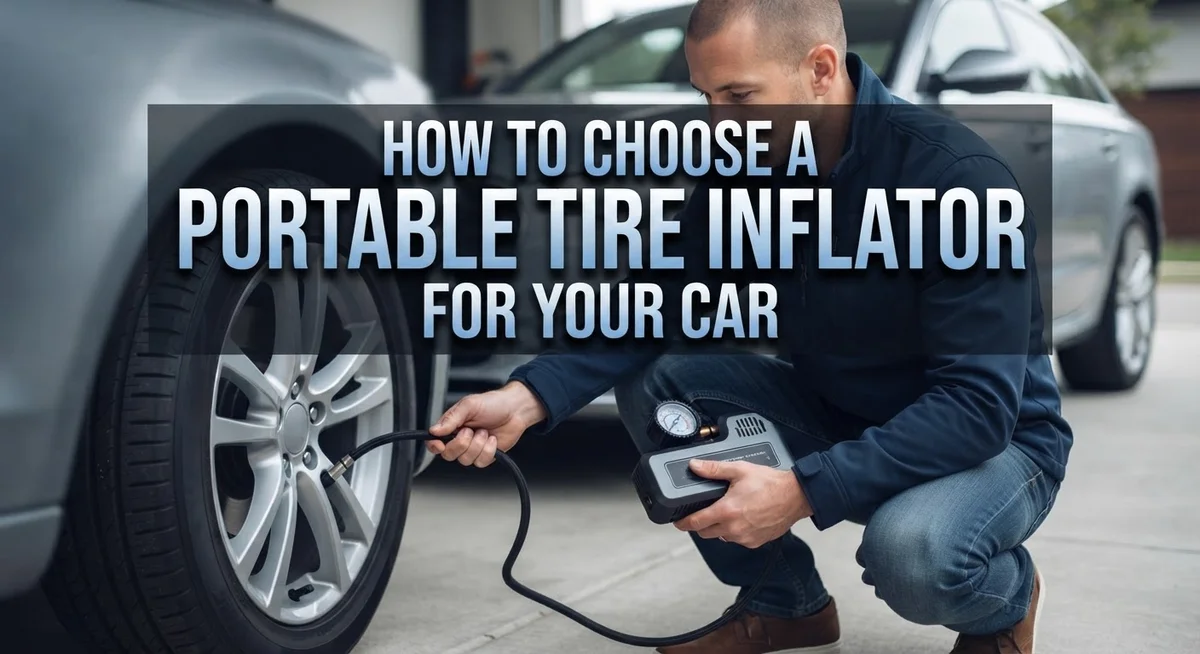
How to Choose a Portable Tire Inflator for Your Car: A Complete Buying Guide
Picture this. You’re running late, and you spot a warning light on your dashboard. Your tire pressure is low, and you need a fix fast.
A portable tire inflator can save you in moments like these. But choosing the right one feels tricky with so many options out there.
Some inflators work great but drain your car battery fast. Others feel weak and take forever to fill a tire. You need something that actually matches your car’s needs.
This guide breaks down everything you should know before buying one. We will cover CFM ratings and why they matter for inflation speed. You will learn how power sources affect performance and convenience.
We also explain PSI accuracy, auto shut off features, and portability concerns. Plus, we highlight common mistakes many buyers make when picking their inflator.
By the end, you will know exactly what specs to check. You will feel confident choosing a reliable inflator that fits your car and your lifestyle. Let’s get started.
In a Nutshell
Choosing the right tire inflator does not need to be complicated. Here is a quick summary to help you remember the key points.
-
Check the power source first. Decide between a 12V plug in model or a cordless battery powered one. Each option offers different levels of convenience.
-
Look at CFM and PSI ratings together. These numbers show how fast and how strong your inflator can work. Match them to your tire size.
-
Match specs to your vehicle. Larger tires need higher CFM and a longer duty cycle. This prevents your inflator from overheating.
-
Test the gauge accuracy. A good inflator shows the correct PSI every time. This keeps your tires safe and properly inflated.
-
Confirm auto shut off works. This feature stops the pump once your tire reaches the right pressure. It protects your tires from overinflation.
-
Think about size and weight. Your inflator should fit easily in your car. Compact and lightweight designs are always easier to store and carry.
Keep these points in mind. They will guide you toward a smart and reliable choice.
Understanding Portable Tire Inflators: Types and How They Work
A portable tire inflator uses an electric motor to push air into your tires. The motor runs on power from either your car’s 12V outlet or a rechargeable battery pack. Understanding how these devices work helps you pick the right one for your needs.
12V models connect directly to your vehicle’s cigarette lighter socket. They draw power from your car battery while operating. These inflators typically deliver strong airflow and fast inflation speeds. The trade off is that they drain your vehicle’s battery if used for extended periods.
Cordless or battery operated models use built in rechargeable batteries instead. You charge them at home using USB cables or wall adapters before heading out. These offer freedom from your car’s electrical system. However, battery capacity limits how long they can run continuously.
Both types contain a motor that compresses air and forces it through a hose into your tire. Most models include a pressure gauge to show current PSI levels. Many feature automatic shut off functions that stop inflation when your tire reaches the desired pressure.
CFM measures how much air the pump moves per minute. Higher CFM numbers mean faster inflation times. A model with 30 CFM will fill a tire much quicker than one with 15 CFM.
PSI rating indicates the maximum pressure the inflator can achieve. Your car tires typically need 30 to 35 PSI. Truck tires may need 40 to 60 PSI. Make sure your inflator’s PSI rating exceeds your vehicle’s requirements.
The duty cycle tells you how long the motor can run before it needs to cool down. Continuous duty cycles allow longer operation. Limited duty cycles require rest periods between uses. Check this spec if you plan to inflate multiple tires at once or have a larger vehicle.
Matching Inflator Power to Your Tire Size and Vehicle Weight
Your tire size and vehicle weight directly affect which inflator will work best for you. Heavier vehicles need pumps that deliver more air volume and pressure consistently.
Start by finding your tire size on the sidewall of your tire or in your vehicle’s manual. You will see numbers like 225/65R17. The first number is the tire width in millimeters. This information helps you understand the air volume your tires need.
Next, check your vehicle’s gross vehicle weight rating. This number appears on a sticker inside your driver’s door. Larger vehicles and trucks require inflators with higher CFM ratings. CFM stands for cubic feet per minute and measures airflow speed. A sedan typically needs 30 to 40 CFM, while trucks may need 40 to 60 CFM or more.
Match the PSI rating to your tire specifications. Most car tires need 30 to 35 PSI. Truck tires often require 40 to 80 PSI depending on the load. Your inflator must reach or exceed your tire’s maximum PSI requirement. Check the tire sidewall for the recommended PSI range.
Consider the duty cycle carefully. This tells you how long the motor runs before needing rest. If you have multiple tires to inflate or a heavy vehicle, choose a model with a longer duty cycle. A 30 minute duty cycle works well for most cars. Trucks may benefit from 45 to 60 minute cycles.
Battery power matters too. Cordless models with larger battery capacity deliver better performance for bigger tires. A 12V corded inflator draws power from your vehicle, so it works indefinitely but may drain your battery during extended use.
Test any inflator’s gauge accuracy before relying on it. A faulty gauge leads to over or under inflated tires, which affects safety and fuel efficiency. Look for digital displays with clear readings and auto shut off features that stop inflation at your preset pressure.
CFM, PSI, and Duty Cycle: Reading the Specs That Matter Most
CFM stands for cubic feet per minute. It measures how much air your inflator moves into the tire each minute. A higher CFM means faster inflation. You want this number because slow inflation wastes your time and drains your battery faster.
PSI refers to pounds per square inch. This is the maximum pressure your inflator can deliver. Your car tires typically need 30 to 35 PSI. Check your driver’s door jamb or vehicle manual for your exact requirement. Match the inflator’s PSI rating to your tire needs.
Here’s the key connection: CFM and PSI work together. An inflator with high PSI but low CFM will inflate slowly. One with high CFM but low PSI might not reach your target pressure. You need both numbers to work well for your specific tires.
The duty cycle tells you how long the motor runs continuously before it must cool down. A 50% duty cycle means the motor runs 5 minutes, then rests 5 minutes. A 100% duty cycle means it runs without stopping. For car tires, a 30 to 50% duty cycle usually works fine. For truck tires or frequent use, aim for 50% or higher.
Match these specs to your largest tire. If you own a truck with big tires, prioritize higher CFM and PSI ratings. For standard sedan tires, moderate specs work perfectly.
Check the gauge display too. Digital gauges show pressure more accurately than analog needles. An accurate gauge prevents overinflation, which damages tires and reduces fuel efficiency.
Battery powered models need strong CFM ratings because they drain faster than 12V models. Cordless inflators with lower CFM take longer, consuming more battery power.
Compare these three specs side by side before deciding. CFM determines speed, PSI determines maximum pressure, and duty cycle determines how long it works. Together, they tell you if an inflator matches your real world needs.
Corded vs. Cordless: Comparing Power Source Options
A corded inflator plugs into your vehicle’s 12V power outlet, usually the cigarette lighter socket. This option gives you consistent, unlimited power while your engine runs. You never worry about battery drain because the power comes directly from your car’s electrical system.
Cordless inflators use rechargeable batteries built inside the unit. They offer true portability since you don’t need your engine running or an outlet nearby. You can inflate tires in parking lots, remote areas, or roadside emergencies without starting your vehicle.
Corded models deliver better performance for sustained use. They maintain steady airflow without power loss, making them ideal if you need to inflate large truck tires or multiple vehicles. The motor runs continuously without overheating concerns. However, you’re limited by the cord length and need access to that 12V socket.
Cordless models sacrifice some power for convenience. Battery capacity directly affects how many tires you can inflate before needing a recharge. A fully charged battery might handle four car tires but struggle with larger truck tires. The motor works harder and drains the battery faster when handling high PSI demands.
Consider your typical use patterns. Do you inflate tires regularly at home where you can plug in? A corded model makes sense. Do you travel frequently or need emergency roadside inflation? Cordless offers better flexibility.
Check the charging time for cordless options. Some models need several hours to fully charge, while others support faster USB charging. Battery life also varies significantly between brands and models.
The duty cycle matters more for cordless inflators. Since batteries drain faster, a longer duty cycle means you get more inflation time before the motor stops to cool down. Corded models typically have longer or unlimited duty cycles since power remains constant.
Choose based on where and how often you’ll use the inflator. Both options work well for different situations.
Accuracy, Auto Shut-Off, and Other Must-Have Features
Accuracy and auto shut-off features separate reliable inflators from frustrating ones. Gauge accuracy matters most because an incorrect reading can lead to over-inflation or under-inflation, both of which damage your tires and waste your time.
Look for inflators with digital LED displays showing precise PSI readings. Analog gauges work too, but digital displays let you see exact pressure at a glance. Some models include preset pressure buttons that automatically stop inflation when your tire reaches the target PSI. This feature prevents overfilling and saves you from constant monitoring.
Auto shut-off is genuinely helpful. When your tire reaches the preset pressure, the inflator stops automatically. You no longer need to watch the gauge constantly or risk overshooting. Many cordless models include this feature because it protects their battery from draining completely on a single tire.
Backlit displays matter if you inflate tires at night or in dim garages. You’ll read the pressure clearly without squinting. Some inflators show pressure in multiple units (PSI, BAR, KPA), which helps if you travel internationally or work with different tire specifications.
Check the gauge’s accuracy rating before buying. Quality inflators maintain accuracy within 1 to 2 PSI of the true reading. Poor accuracy means your tire pressure could be significantly off without you knowing.
Consider models with pressure hold functions too. This feature maintains pressure during the inflation process, preventing pressure drops that require restarting. It’s especially useful for older valve stems that leak slightly during inflation.
Test the display brightness and button responsiveness if possible. Buttons should feel responsive, not mushy. The display should stay visible from different angles. These small details affect your experience every time you inflate a tire, so they deserve attention during selection.
Portability Considerations: Size, Weight, and Storage
A portable tire inflator must fit easily in your vehicle without taking up excessive space. Think about where you’ll store it—your trunk, under a seat, or in a door compartment. Compact designs work best for cars with limited storage. Measure your vehicle’s storage areas before comparing inflator dimensions.
Weight matters significantly when you need to carry the inflator from your car to each tire. A lighter unit reduces fatigue during use, especially if you’re inflating multiple tires or helping others. Most portable inflators weigh between 2 to 8 pounds, so check the exact weight before purchasing.
Consider the shape and design of the inflator. Cylindrical models stack easily and take up less floor space. Rectangular designs might fit better in some storage areas. Some inflators come with carrying cases or bags that add bulk but protect your equipment during transport.
The power cord or battery pack affects portability too. Corded inflators have cables that need space to coil and store. Shorter cords work better in compact vehicles. Cordless models eliminate cord management but require battery storage and charging access.
Think about accessibility during emergencies. You want an inflator you can grab quickly on the roadside. Store it in a location that’s easy to reach without moving other items. Front seat accessibility beats trunk storage for urgent situations.
Weather resistance matters for portability. If you’ll store your inflator in a vehicle exposed to temperature changes, ensure it handles moisture and heat. Some designs protect internal components better than others.
Test the overall feel and balance before committing. Hold the inflator and imagine using it for several minutes. Awkward shapes or poor weight distribution make the experience frustrating. A well designed portable inflator feels comfortable to grip and maneuver around your vehicle’s tires.
Common Mistakes to Avoid When Selecting an Inflator
Many people make costly mistakes when picking a portable tire inflator. Understanding these errors helps you avoid frustration and wasted money.
Ignoring airflow capacity is a major mistake. Some shoppers focus only on maximum PSI rating and miss the CFM (cubic feet per minute) number. A high PSI means nothing if the inflator takes 20 minutes to fill one tire. Match the CFM to your vehicle’s tire size. Larger truck tires need faster airflow than compact car tires.
Overlooking battery strength for cordless models creates real problems. A cordless inflator with a weak battery drains quickly. You might inflate one or two tires before needing to recharge. Always check how many tires the battery can handle on a single charge. Read the duty cycle information carefully. This tells you how long the motor can run continuously before overheating.
Choosing an inflator that doesn’t fit your vehicle is another common error. You buy a large, heavy unit only to discover it barely fits in your trunk. Measure your storage space before deciding. Consider the power cord length too. A short cord limits where you can position the inflator.
Neglecting gauge accuracy causes frustration. An inflator that reads PSI incorrectly leads to over or under inflated tires. Both situations damage fuel efficiency and tire lifespan. Look for digital displays with accuracy ratings of plus or minus 1 PSI or better.
Many people ignore auto shut-off features. Without this function, you must watch the gauge constantly. Auto shut-off stops inflation automatically when your tire reaches the preset pressure. This feature saves time and prevents over inflation.
Finally, don’t skip the pressure preset testing. Some inflators let you save your preferred PSI settings. Test whether these presets actually work smoothly. A faulty preset system wastes time during emergencies when you need quick inflation.
Final Thoughts
Choosing the right portable tire inflator does not need to feel overwhelming. Focus on your specific needs first. Think about your tire size, your vehicle type, and how often you will use the pump.
A good inflator matches your car’s requirements. Check the CFM rating and make sure it works well with your tire size. Larger tires need more airflow, so do not ignore this detail.
Power source matters just as much as speed. Corded models plug into your car and offer steady power. Cordless models give you freedom to move around, but you need to check the battery life.
Accuracy and safety features make daily use easier. Look for a digital display and an auto shut-off function. These features save time and prevent tire damage from overinflation.
Do not forget about portability. Your inflator should fit in your trunk or glove box without taking up too much room. A lightweight design helps during roadside emergencies.
Avoid common buying mistakes. Do not choose a model based on price alone. Check the duty cycle and airflow capacity before you decide.
Test the display and buttons if you can. A clear screen and responsive controls make the inflator easier to use, especially in low light.
Think about where you will store the inflator. Extreme temperatures can affect battery life and pump performance over time.
In the end, the best portable tire inflator fits your lifestyle. It should match your vehicle, work quickly, and stay reliable during emergencies.
Take your time comparing features. A little research now helps you avoid frustration later. The right inflator keeps you safe and prepared on every drive.
Frequently Asked Questions
What does CFM mean and why does it matter for tire inflators?
CFM stands for cubic feet per minute. It measures how much air the inflator pushes out each minute. A higher CFM means faster inflation times. If you have large truck tires, you need a higher CFM rating. Small car tires work fine with lower CFM models.
Think of CFM like water flow from a faucet. More flow fills a bucket faster. The same applies to tire inflation. Check your tire size first, then match the CFM to that size.
Should I choose a corded or cordless inflator?
Corded inflators plug into your car’s 12V outlet. They never run out of power during use. The cord length can limit where you work around your vehicle.
Cordless models run on rechargeable batteries. They offer freedom to move anywhere. Battery strength matters greatly here. A weak battery drains quickly and slows inflation. Check the battery capacity before buying. USB charging capability makes cordless models convenient for home storage.
How accurate does the PSI gauge need to be?
Most tire gauges should read within 1 to 2 PSI of the actual pressure. Accuracy prevents over or under inflation. Both situations cause tire wear and reduce fuel efficiency.
Digital displays typically show more precise readings than analog needles. Look for models with clear LED screens. Test the display in good lighting before use.
What is an auto shut-off feature and do I need it?
Auto shut-off stops inflation when your tire reaches the target pressure. You set the desired PSI, and the inflator stops automatically. This prevents overinflation accidents. It also saves battery power on cordless models.
This feature adds convenience and safety to every inflation session.

Dillip started Before You Checkout after one too many disappointing online purchases, and now spends his time researching products across home, tech, fitness, and everyday essentials. He writes straightforward reviews and how-to guides for people who want a clear answer, not a sales pitch.