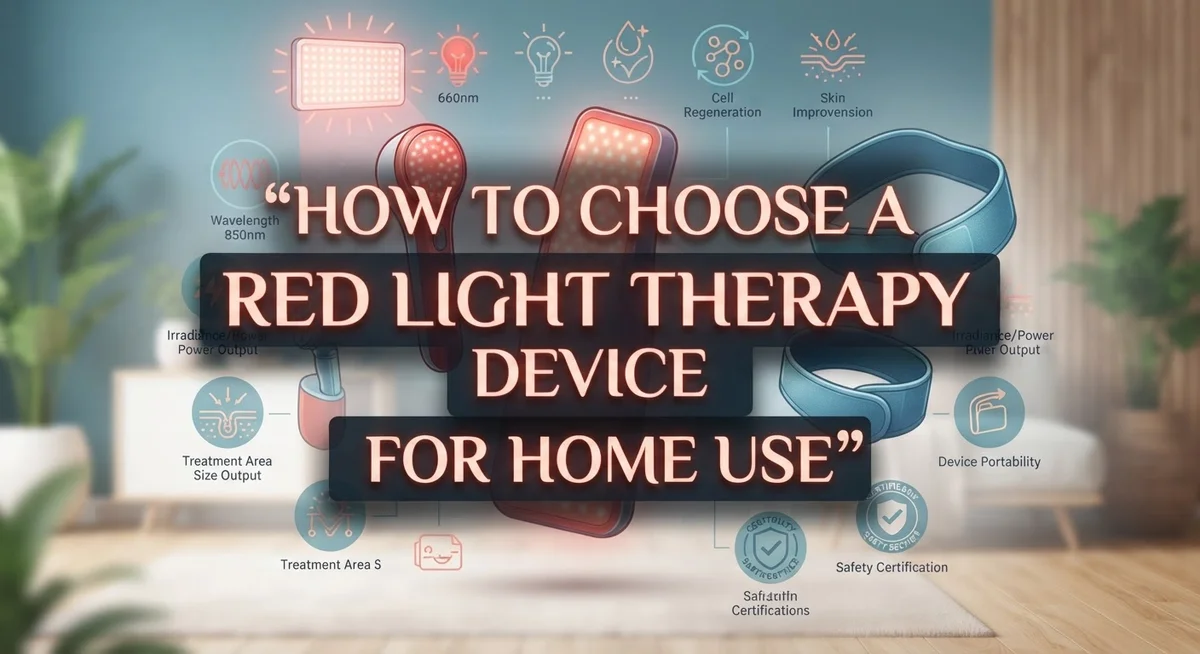
How to Choose a Red Light Therapy Device for Home Use
Red light therapy devices fill store shelves everywhere you look. Some promise glowing skin. Others claim to ease muscle pain or boost recovery.
But here’s the truth. Not every device delivers real results.
Many products focus on flashy features like LED count. This number often means little. What truly matters is the wavelength and energy output of the device.
This guide breaks down everything you need to know before buying. You will learn which wavelengths actually work for your skin and body. We cover red light and near infrared light, plus how they differ.
You will also discover how to judge irradiance levels. This helps you avoid weak devices that waste your time and money.
We walk through safety tips too. Eye protection and skin sensitivity both matter here.
By the end, you will feel confident choosing a device that fits your needs. No guesswork. No confusion.
Let’s find the right red light therapy device for your home, based on facts and science, not marketing hype.
In a Nutshell
Choosing the right red light therapy device does not need to feel confusing. Focus on facts, not flashy marketing claims. Here is a quick summary to guide you.
-
Check the wavelength first. Look for red light between 630 and 660 nm and near infrared between 830 and 850 nm. These ranges have real scientific backing.
-
Energy output matters more than LED count. A device with fewer LEDs but strong irradiance often works better than one packed with lights but weak power.
-
Pick your device type based on your goal. Red light works well for skin. Near infrared reaches deeper tissue. Combination devices offer both benefits.
-
Start slow and build up. Begin with 10 minute sessions and increase gradually over several weeks as your skin adjusts.
-
Distance controls intensity. Keep the device 6 to 12 inches from your skin. Closer means stronger but smaller coverage. Farther means gentler but wider coverage.
-
Safety comes first. Always protect your eyes and check your skin’s sensitivity before starting regular use.
Understanding Red Light Therapy and How It Works
Red light therapy uses specific wavelengths of light to stimulate your cells. Your body absorbs this light energy and converts it into cellular fuel. The process happens at the mitochondrial level, where light energizes a molecule called ATP.
Red light and near infrared light work differently. Red light (630 to 660 nm) penetrates your skin surface effectively. It works well for visible skin concerns. Near infrared light (830 to 850 nm) travels deeper into tissue. It reaches muscles, joints, and deeper layers beneath your skin.
Combination devices offer both wavelengths. This dual approach allows deeper penetration while addressing surface-level needs. Your cells respond to these specific wavelengths by increasing energy production and reducing inflammation.
The science behind this is straightforward. When light at the right wavelength hits your skin, your cells absorb the photons. This triggers a chain reaction that boosts mitochondrial function. More energy means your cells repair themselves faster and work more efficiently.
Irradiance matters more than you might think. Irradiance measures the power density delivered to your skin. A device with strong irradiance delivers therapeutic doses faster. LED count alone does not guarantee effectiveness. Ten powerful LEDs often outperform fifty weak ones.
Your body needs sufficient light intensity to trigger these cellular responses. This is why positioning and distance matter so much. Closer distances deliver more concentrated energy. Farther distances spread the light over a larger area with less intensity per spot.
Understanding these basics helps you make smart choices. You will recognize which devices actually deliver therapeutic benefits. Marketing claims about LED counts become less confusing once you know what truly matters. Energy output and correct wavelengths are your real selection priorities.
Key Wavelengths: Red Light vs. Near-Infrared vs. Combination Devices
Red light therapy devices come in three main varieties, and understanding the differences helps you pick the right one for your goals.
Red light only devices emit wavelengths between 630 and 660 nm. These work best for surface level concerns like skin texture and appearance. Red light stays near the skin’s upper layers, making it ideal if you focus on facial or superficial issues.
Near infrared devices produce wavelengths between 830 and 850 nm. This light penetrates much deeper into your body. Muscles, joints, and tissues beneath the skin respond well to near infrared. Many people use these for recovery and deeper tissue support.
Combination devices offer both red and near infrared wavelengths in one unit. This dual approach gives you flexibility. You get surface benefits from red light plus deep penetration from near infrared. Most experts consider combination devices the most versatile choice for home use.
Here’s what matters most when choosing between these types. Think about your primary goal first. Are you targeting skin health? Red light alone may work. Do you want muscle recovery or joint support? Near infrared makes sense. Unsure about your needs? A combination device covers all bases.
Energy output beats wavelength variety every time. A single wavelength device with strong irradiance outperforms a multi wavelength device with weak output. Check the power density specifications, not just the wavelength range.
Distance from your skin also changes effectiveness. Closer positioning intensifies the light but covers less area. Farther positioning spreads the light wider but reduces intensity. Most devices work best between 6 and 12 inches away.
Your budget and space constraints matter too. Combination devices typically cost more and take up more room than single wavelength options.
Why Irradiance and Energy Output Matter More Than LED Count
Many people assume that more LEDs mean better results. This assumption is wrong. What actually matters is how much energy reaches your skin, not how many light sources produce it.
Irradiance is the real measurement you need to focus on. This term describes the power density delivered to your skin surface, measured in milliwatts per square centimeter (mW/cm²). A device with 100 LEDs but weak irradiance will underperform compared to a device with 50 LEDs producing strong, concentrated energy.
Your cells need sufficient light intensity to trigger therapeutic responses. Without adequate irradiance, even perfectly calibrated wavelengths won’t produce meaningful results. Think of it like watering a plant. A sprinkler with many holes but low water pressure delivers less water than a focused stream from fewer holes.
Energy output determines whether you receive a therapeutic dose. Most research supporting red light therapy used devices delivering specific irradiance levels. If your device falls below these thresholds, you’re wasting time without gaining benefits.
When comparing devices, look for irradiance specifications rather than LED counts. Quality manufacturers always publish these numbers because they prove effectiveness. If a product emphasizes LED quantity instead of power output, that’s a red flag.
Distance also affects irradiance at your skin. Closer positioning concentrates more energy onto a smaller area. Farther positioning spreads energy across a larger surface but reduces intensity. Understanding this relationship helps you use whatever device you choose more effectively.
Prioritize verified irradiance levels and therapeutic wavelengths over marketing claims about LED numbers. This approach ensures your sessions actually deliver the cellular stimulation your body needs.
Step-by-Step: How to Evaluate and Choose the Right Device
Start by checking the device’s wavelength specifications first. You need either red light (630 to 660 nm), near infrared (830 to 850 nm), or both. This is non negotiable for any device you consider.
Next, verify the irradiance level the manufacturer provides. This number tells you the power density hitting your skin. Don’t get distracted by LED counts. A device with fewer LEDs but higher irradiance will work better than one with many LEDs and weak output.
Look for scientific documentation supporting the device’s effectiveness. Reputable manufacturers share research or third party testing results. This shows they stand behind their product’s claims.
Consider your specific needs when choosing between device types. Red light only devices work well for surface skin concerns. Near infrared only devices penetrate deeper into tissue. Combination devices offer both benefits and suit most people starting out.
Check the recommended distance from your skin. Devices typically work best at 6 to 12 inches away. Closer placement means more intense but smaller coverage area. Farther placement spreads energy across a larger area but reduces intensity.
Think about your skin sensitivity and any photosensitivity conditions you have. Some people need to start slowly or avoid certain wavelengths. Review any safety warnings the manufacturer includes.
Finally, set realistic expectations about results. Red light therapy works gradually over weeks and months, not immediately. You’ll start with short sessions around 10 minutes and build up over time.
Take these practical steps together, and you’ll find a device that matches your actual needs and delivers real therapeutic benefits.
Proper Usage Guidelines: Distance, Duration, and Frequency
Red light therapy works best when you use it consistently and correctly. The distance between your device and skin directly affects how much light energy your cells receive.
Position your device between 6 and 12 inches from your skin. Closer placement delivers more intense light to a smaller area. Farther placement spreads the light over a larger area but reduces intensity. Your specific device’s instructions should guide this distance, so always check the manufacturer’s recommendations first.
Start with 10 minute sessions if you’re new to red light therapy. Your skin needs time to adapt to the light exposure. After one or two weeks, you can gradually increase to 15 or 20 minute sessions if your skin tolerates it well. Listen to your body and adjust based on how your skin responds.
Frequency matters for consistency. Most people use red light therapy 3 to 5 times per week. Some use it daily, but you don’t need daily sessions to see benefits. Find a schedule you can stick with long term, since results build over weeks and months.
Eye protection is essential during every session. Even though red light is generally safe, direct eye exposure should be avoided. Wear appropriate eye protection or position the device to avoid looking directly at it.
Consider your skin sensitivity before starting. If you have photosensitivity conditions or take medications that increase light sensitivity, consult a healthcare provider first. Start with shorter sessions and lower intensity if you have sensitive skin.
Track your sessions in a simple log. Note the date, duration, distance, and how your skin feels afterward. This helps you identify the routine that works best for your individual needs and goals.
Safety Considerations and Precautions Before You Start
Before you start using a red light therapy device at home, understand the safety basics. Eye protection is non negotiable during every session. Your eyes contain photoreceptors that respond to light, and prolonged exposure without protection can cause strain or damage. Wear appropriate eye protection designed for the specific wavelengths your device emits.
Check your skin type and any existing conditions. If you have photosensitivity, take medications that increase light sensitivity, or have had skin cancer, consult a healthcare provider first. Red light therapy is generally safe for most people, but individual circumstances matter.
Start conservatively with your sessions. Begin at 10 minutes and gradually increase duration over several weeks as your skin adapts. This approach helps you avoid irritation or unexpected reactions.
Position matters for safety too. Keep your device between 6 and 12 inches from your skin. Closer distances deliver more intense light to a smaller area, while farther distances spread energy across broader skin regions. Never place the device directly against your skin unless the manufacturer specifically approves this.
Monitor how your skin responds. Some people experience mild redness or warmth, which is normal. However, if you notice persistent irritation, burning sensations, or unusual reactions, stop using the device and allow your skin to recover.
Keep your device clean and in good working condition. Dust or damage can affect how light reaches your skin and potentially create safety issues.
Finally, maintain realistic expectations. Red light therapy produces gradual results over weeks and months, not immediate changes. Patience and consistent, safe usage give you the best outcomes.
Common Mistakes to Avoid When Selecting a Device
People often make costly mistakes when picking a red light therapy device. Understanding these errors helps you avoid wasting money and getting poor results.
The biggest mistake is focusing on LED count instead of energy output. Many devices advertise having thousands of LEDs, but this number means nothing without sufficient irradiance. Irradiance measures the actual power reaching your skin. A device with fewer LEDs but higher irradiance delivers better therapeutic results than one packed with LEDs that produce weak energy.
Another common error is ignoring wavelength specifications. Red light therapy only works with specific wavelengths. Red light ranges from 630 to 660 nanometers, while near-infrared spans 830 to 850 nanometers. Devices outside these ranges won’t provide therapeutic benefits, no matter how attractive the price or marketing claims sound.
People also buy devices without checking scientific documentation. Just because a company claims effectiveness doesn’t make it true. Look for devices backed by actual research and verified specifications from the manufacturer.
Unrealistic expectations cause disappointment too. Red light therapy produces gradual results over weeks and months, not overnight transformations. If a device promises immediate miracles, it’s misleading you.
Many buyers also overlook their own skin sensitivity and existing conditions. Some people experience photosensitivity or take medications that increase light sensitivity. Starting too aggressively with long sessions can cause irritation instead of benefits.
Finally, people neglect to consider their specific needs. Do you need deep tissue penetration? Choose combination wavelengths. Want surface skin benefits? Red light alone works fine. Matching the device type to your actual goals prevents buyer’s remorse and ensures you get meaningful results from your investment.
Setting Realistic Expectations for Results
Red light therapy produces results gradually. You won’t see dramatic changes overnight. Most people notice improvements after 4 to 12 weeks of consistent use. Your skin needs time to respond to the light wavelengths.
Results vary based on your individual biology. Some people see benefits faster than others. Factors like age, skin type, and overall health affect how quickly you respond. Your genetics also play a role in the timeline.
Start with realistic goals for what you want to achieve. Red light therapy helps with skin appearance, muscle recovery, and general wellness. It works best as part of your routine, not as a miracle solution. Combine it with other healthy habits for better outcomes.
Consistency matters more than intensity. Using your device for 10 to 20 minutes, three to five times per week, produces better results than occasional longer sessions. Your body adapts to regular exposure over time.
Track your progress carefully. Keep notes about how your skin looks and feels. Take photos under the same lighting conditions every few weeks. This helps you spot subtle improvements you might otherwise miss.
Don’t expect perfection. Red light therapy addresses specific concerns like skin texture and recovery time. It won’t eliminate all skin issues or replace medical treatments when needed. Understand what the research actually shows versus marketing claims.
Be patient with the process. Give yourself at least 8 to 12 weeks before deciding if a device works for you. Your skin cells turn over slowly, and real changes take time. Staying consistent during this period is your best path to meaningful results.
Final Thoughts
Choosing a red light therapy device does not have to feel overwhelming. Focus on the basics that truly matter for your results.
Wavelength verification comes first. Look for devices offering red light in the 630 to 660 nm range. Near infrared should fall between 830 and 850 nm.
Energy output matters more than flashy marketing claims. A device with fewer LEDs but higher irradiance often works better than one with thousands of weak lights.
Decide which device type fits your goals. Red light alone works well for skin concerns. Near infrared reaches deeper for muscle and joint support. Combination devices offer both benefits in one unit.
Think about your specific needs before buying. Someone treating surface skin issues needs different specs than someone targeting deep tissue pain.
Scientific backing should guide your choice. Check if the manufacturer provides real data about wavelength output and irradiance levels. Avoid devices that skip this information entirely.
Safety features deserve your attention too. Eye protection should come included or be easy to source separately. This detail matters for long term use.
Remember that quality devices support consistent daily use. You want something reliable enough to fit into your routine for months.
Your budget matters, but do not let price alone drive your decision. A cheap device with wrong wavelengths wastes your money and time.
Take your time researching before you buy. This purchase affects your health routine for months or years ahead.
Choose a device that matches your body’s needs, your treatment goals, and your daily schedule. This balanced approach helps you get real value from your investment.
With the right device, patience, and consistency, red light therapy can become a valuable part of your wellness routine at home.
Frequently Asked Questions
What wavelengths should I look for in a red light therapy device?
Look for two specific wavelength ranges: red light between 630 to 660 nanometers and near-infrared light between 830 to 850 nanometers. These ranges have the strongest scientific support for skin and tissue benefits.
Red light penetrates the skin’s surface layers, while near-infrared reaches deeper tissues. Many effective devices combine both wavelengths for maximum benefit. Always check the device specifications to confirm the exact wavelengths listed.
How close should I hold the device to my skin?
Position your device between 6 to 12 inches away from your skin. This distance range gives you flexibility based on your goals.
Closer placement delivers more intense energy to a smaller area. Farther placement spreads the light over a broader area with less intensity. Start at around 9 inches and adjust based on how your skin responds and what results you want to achieve.
Is a device with more LEDs always better?
No. Energy output matters far more than the number of LEDs. A device with fewer LEDs can deliver better therapeutic results if it produces higher irradiance levels.
Focus on the power output, not the LED count. Marketing materials often emphasize LED numbers because they sound impressive, but they don’t guarantee effectiveness. Check the device’s irradiance measurements instead, which tell you the actual energy being delivered to your skin.
Can I use red light therapy if I have sensitive skin?
Most people can use red light therapy safely when they follow proper guidelines. However, start with shorter sessions of 10 minutes if you have sensitive skin. Watch how your skin responds over the first few days.
Some people with photosensitivity or certain medications should consult a healthcare provider first. Always begin gradually and increase duration slowly over several weeks.

Dillip started Before You Checkout after one too many disappointing online purchases, and now spends his time researching products across home, tech, fitness, and everyday essentials. He writes straightforward reviews and how-to guides for people who want a clear answer, not a sales pitch.