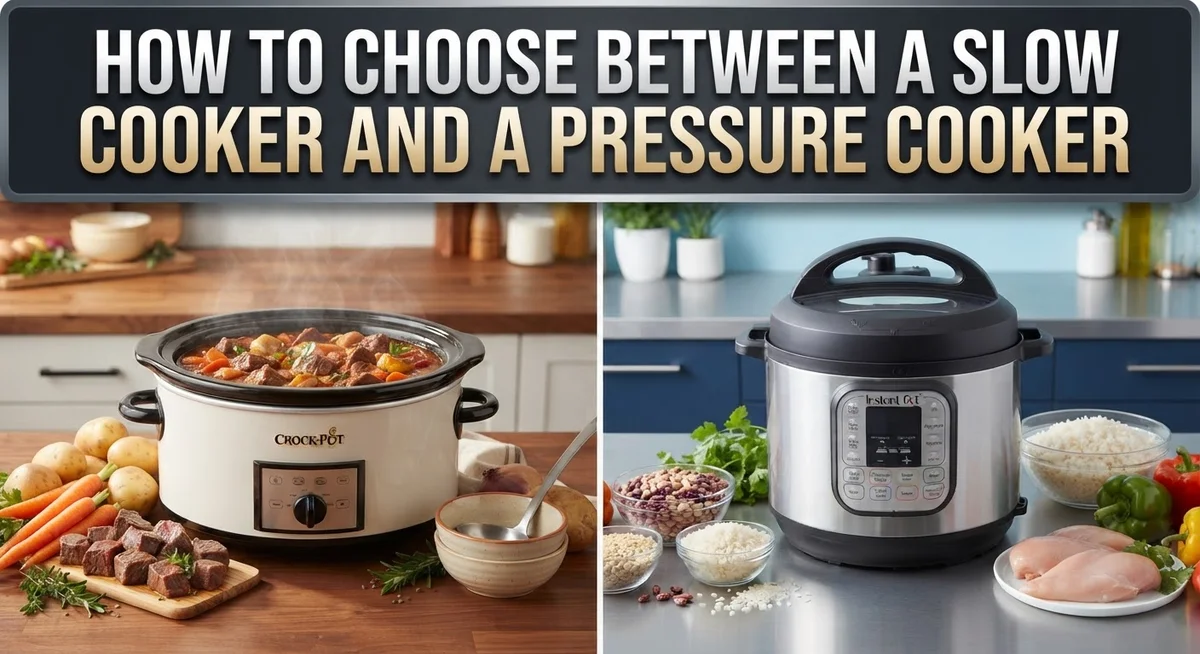
How to Choose Between a Slow Cooker and a Pressure Cooker
Picking the right kitchen appliance can feel like a big decision. You want something that saves time and still makes your food taste great. Slow cookers and pressure cookers both promise easy meals, but they work in very different ways.
A slow cooker uses low heat over many hours. It builds deep flavors while you go about your day. Many people love it for soups, stews, and tender roasts.
A pressure cooker takes a different path. It uses high pressure to cook food fast. A meal that takes eight hours in a slow cooker might take just 45 minutes in a pressure cooker.
So which one fits your kitchen and your lifestyle? This article breaks down the key differences between these two appliances. We will look at cooking times, equipment types, and the final taste and texture of your food.
By the end, you will know exactly which cooker matches your needs. Let’s explore what makes each one special.
In a Nutshell
Slow cookers work at low heat for six to eight hours. They give food time to blend flavors slowly.
Pressure cookers use high heat and pressure. They finish the same meal in about 45 minutes.
Here is a quick breakdown to help you decide:
- Speed: Pressure cookers cook up to eight times faster than slow cookers.
- Setup: Slow cookers only work as electric countertop units. Pressure cookers come in both electric and stovetop versions.
- Texture: Pressure cooking breaks down meat, beans, and vegetables quickly. Slow cooking creates a softer, more gradual texture over time.
- Space: Think about your counter and stovetop space before choosing either appliance.
- Effort: Both cookers need very little hands-on attention once you start cooking.
- Common myth: Many people think slow cookers are essential. In reality, a pressure cooker can make the same recipe in a fraction of the time.
Your choice really depends on how much time you have and how you like to cook.
How Slow Cookers and Pressure Cookers Actually Work
A slow cooker heats food gently at low temperatures. It cooks meals over six to eight hours while you go about your day. The appliance sits on your counter and plugs into an outlet. Electric coils warm the ceramic pot from the sides and bottom.
A pressure cooker works completely differently. It traps steam inside a sealed container. As steam builds up, pressure increases. This high pressure raises the boiling point of water. Food cooks much faster because heat penetrates more efficiently.
The key difference is speed and method. Slow cookers rely on time and gentle heat. Pressure cookers rely on pressure and intense heat. A recipe that takes eight hours in a slow cooker might take 45 minutes in a pressure cooker.
Heat breakdown happens at different rates with each appliance. In slow cookers, collagen in meat breaks down slowly into gelatin. This creates tender, fall apart results. In pressure cookers, the same breakdown happens rapidly. The texture feels different because the process moves so quickly.
Pressure cookers come in two styles. Electric versions sit on your counter like slow cookers. Stovetop versions sit on your burner and require monitoring. Slow cookers are electric only and sit on countertops.
Both appliances require minimal attention once cooking starts. You add ingredients, set the temperature or pressure level, and walk away. Neither one demands constant stirring or checking. This hands off approach appeals to busy cooks.
The cooking results differ slightly between the two. Slow cookers produce more traditional braised flavors. The long cooking time allows flavors to meld gradually. Pressure cookers create slightly different flavor profiles because cooking happens so fast. Some people prefer one result over the other.
Understanding how each appliance works helps you decide which fits your lifestyle. Your choice depends on whether you value speed or traditional slow cooking methods.
Comparing Cooking Times and Convenience
When you’re deciding between these two appliances, cooking time is often the biggest factor. A pressure cooker finishes meals in roughly 45 minutes, while a slow cooker takes 6 to 8 hours. This massive time difference shapes your entire cooking experience.
Pressure cookers work well for busy weekdays. You can start cooking in the evening and have dinner ready before bedtime. They’re perfect when you forgot to plan ahead or need a hot meal quickly.
Slow cookers fit a different schedule. You prepare ingredients in the morning, turn on the appliance, and come home to finished food. This “set it and forget it” approach works beautifully for people who like planning ahead.
Convenience goes beyond just cooking duration. With a pressure cooker, you’re still involved in the process. You need to monitor pressure levels, release steam safely, and time everything precisely. Some people find this interactive element stressful, while others enjoy staying engaged.
Slow cookers demand almost zero attention. Once you add your ingredients and select the heat level, you walk away. No monitoring required. No steam to manage. This hands-off approach appeals to busy parents and professionals who want minimal kitchen involvement.
Your daily routine matters here. If you work long hours and want dinner waiting when you arrive home, a slow cooker makes sense. If you prefer quick meals or have unpredictable schedules, a pressure cooker serves you better.
The real convenience factor depends on your lifestyle. Some people use both appliances for different situations. Others find one matches their needs perfectly. Think about your typical week. Do you plan meals days ahead, or do you decide what to cook the same day? Your answer guides your choice between these two cooking methods.
How Texture and Flavor Differ Between the Two Methods
Texture and flavor develop very differently depending on which cooking method you use. Understanding these differences helps you pick the right appliance for what you’re making.
Slow cookers create tender, fall-apart results because low heat gently breaks down tough muscle fibers over many hours. Meat becomes so soft it shreds easily with a fork. Vegetables soften completely and absorb flavors from the broth around them. The long cooking time allows seasonings to penetrate deep into every ingredient. This method produces that classic, comforting “stewed” quality many people love.
Pressure cookers achieve similar tenderness much faster but through a different process. High pressure forces heat into food rapidly, breaking down collagen and connective tissue in minutes instead of hours. The result is tender meat and soft vegetables, but the texture can feel slightly different. Some people notice meat from a pressure cooker feels less delicate than slow cooker versions. The compressed cooking time means less time for flavors to meld together gradually.
Flavor development varies between the two methods. Slow cookers allow flavors to layer and intensify as liquids reduce slowly. Aromatics like garlic and onions have hours to become mellow and sweet. Slow cookers often produce deeper, more complex tastes because ingredients cook together so long.
Pressure cookers preserve brighter, fresher flavors because cooking happens so quickly. Herbs stay more vibrant. Vegetables retain slightly more of their natural taste. The liquid doesn’t reduce as much, so flavors stay more concentrated rather than mellowed.
Your preference matters most here. If you love rich, deeply blended flavors and don’t mind waiting, slow cookers win. If you want faster cooking without sacrificing tenderness, pressure cookers deliver. Some cooks use both methods for different recipes. Soups and stews often taste better from slow cookers. Quick weeknight meals benefit from pressure cooker speed.
Kitchen Space and Equipment Considerations
Your kitchen setup plays a real role in choosing between these two appliances. Slow cookers need permanent counter space because they stay plugged in and ready to use. If your countertops are already crowded, a slow cooker might not fit your lifestyle.
Pressure cookers offer more flexibility with storage. Electric models sit on counters like slow cookers, but you can unplug them and store them away after cooking. Stovetop pressure cookers take up even less permanent space since they live in your cabinet until you need them.
Think about your stove setup too. Stovetop pressure cookers require a functioning burner, so you need available cooking surface. If your stove stays busy during meal prep, this matters. Electric pressure cookers don’t compete for stove space at all.
Counter visibility affects your cooking habits. A slow cooker sitting out reminds you to prep ingredients the night before. You see it and remember to set it up. A stored pressure cooker requires more intentional planning since it’s out of sight.
Space efficiency matters for smaller kitchens. A pressure cooker handles multiple cooking tasks in one device. You can boil, steam, sauté, and slow cook with many electric models. A slow cooker does mainly one thing, so you’re dedicating space to single purpose.
Consider your cabinet storage too. Pressure cookers need secure placement since they’re heavier than most cookware. Make sure your shelves can handle the weight safely.
Your family size influences this decision as well. Larger households benefit from slow cookers’ big capacity that stays warm for hours. Smaller households might prefer a pressure cooker’s compact footprint and faster results.
Honestly assess your actual kitchen layout before deciding. Measure your available counter and cabinet space. Walk through your cooking routine mentally. The appliance that fits your physical space will actually get used regularly.
Matching the Cooker to Your Lifestyle and Cooking Habits
Your daily cooking habits and lifestyle determine which appliance serves you best. Think about how much time you actually spend in the kitchen on typical weekdays versus weekends.
If you work long hours and arrive home hungry, a pressure cooker fits your schedule perfectly. You can prepare a complete meal in under an hour. This works especially well if you prefer cooking in the evening and eating shortly after. You’ll appreciate the speed without sacrificing quality results.
Conversely, if you enjoy planning ahead or have a flexible schedule, a slow cooker aligns with your routine. You load it before leaving home and dinner waits when you return. This method suits people who like waking to breakfast or spending weekend mornings on meal preparation.
Consider your work from home status too. Remote workers often benefit from slow cookers because they can monitor progress throughout the day. You can also adjust seasonings or add ingredients mid cooking if needed.
Family size matters for lifestyle matching. Larger households cooking multiple meals weekly might prefer pressure cookers for efficiency. Smaller households or couples may find slow cookers sufficient since batch cooking happens less frequently.
Think about your social calendar. Do you attend evening events or have unpredictable schedules? Pressure cookers offer flexibility since you cook quickly when ready. Slow cookers require more planning since you need several hours of cooking time.
Your entertaining habits also play a role. If you host dinner parties, pressure cookers let you prepare dishes without spending the entire day cooking. You’ll have time for other hosting tasks.
Assess how much active cooking you enjoy. Some people find the pressure cooker’s involvement appealing. Others prefer the hands off approach that slow cookers provide.
Match your appliance choice to how you actually live, not how you think you should cook. This ensures you’ll use it regularly and enjoy the results. Your real routine matters far more than theoretical cooking methods.
Common Mistakes When Choosing a Cooking Method
People make several mistakes when picking between these two cooking methods. The biggest error is assuming you need a slow cooker because it’s more traditional. In reality, a pressure cooker handles the same recipes in one eighth of the time. If speed matters to you, this mistake costs you hours every week.
Another common mistake is ignoring your actual cooking habits. You might think you’ll use a slow cooker because it sounds convenient, but then you never plan meals the night before. Be honest about what you actually do in your kitchen, not what you wish you did.
Many people also underestimate how different the results taste and feel. They buy one appliance expecting it to work exactly like the other. Pressure cookers create different textures than slow cookers. The cooking process changes how flavors develop. What tastes amazing from one method might disappoint you from the other. Test recipes from both methods before committing to just one appliance.
Storage mistakes happen frequently too. People forget to measure their actual cabinet or counter space before buying. A pressure cooker takes up different space than a slow cooker. Some kitchens simply don’t have room for what you’re planning to buy. Measure first, then decide.
Not considering your household size is another error. A single person or couple might need different cooking volumes than a family of six. Buying the wrong size means you either waste energy or find yourself cooking multiple batches.
Finally, people forget that both appliances reduce active cooking time. You don’t need to pick one because you’re lazy. Both methods let you start cooking and walk away. The real difference is how long you wait for dinner. Understanding this prevents disappointment after your purchase arrives.
Tips for Getting the Best Results From Either Cooker
Getting great results from either cooker starts with understanding how each one works. Slow cookers need enough liquid because they trap steam inside. The moisture stays in the pot and creates a braise effect. Add too much liquid and your dish becomes soupy. Add too little and your food dries out. Start with recipes written specifically for your cooker type.
Pressure cookers require less liquid than you might think. The sealed environment means almost no evaporation happens. Many home cooks add too much water and end up with watery stews. Follow the cooker’s minimum liquid guidelines closely. This is one of the biggest differences between the two methods.
Layer your flavors for better taste. With slow cookers, add hardy vegetables and meat at the start. Save delicate herbs and fresh ingredients for the last 30 minutes. Pressure cookers work differently. Brown your meat first in the pot before sealing it. This creates deeper flavor through caramelization. Then add your other ingredients.
Don’t overfill either cooker. Slow cookers should be half to three quarters full. Pressure cookers need even more space because steam needs room to circulate. Overfilling prevents proper cooking and can damage your equipment.
Timing matters more than you realize. Slow cookers work best on low heat for 6 to 8 hours. High settings cook faster but often produce tougher meat. Pressure cookers need just 45 minutes for what takes hours in a slow cooker. Both appliances finish faster than traditional stovetop cooking.
Check your food at the right moments. With slow cookers, resist opening the lid during cooking. Each peek adds 15 to 20 minutes to your total time. Pressure cookers seal shut, so you cannot check food until the cycle ends. Trust the process and use reliable recipes for best outcomes.
Final Thoughts
Choosing between a slow cooker and a pressure cooker comes down to your needs. Both appliances help you cook meals with less effort. The right choice depends on your time, space, and taste preferences.
If you want speed, pick a pressure cooker. It cooks meals in about 45 minutes that would take a slow cooker 6 to 8 hours. This makes it perfect for busy weeknights.
If you love slow, gentle cooking, a slow cooker suits you better. It breaks down ingredients gently over time. Many people enjoy the deeper flavor this method creates.
Think about your kitchen space too. Slow cookers only work as electric countertop units. Pressure cookers offer both electric and stovetop options, giving you more flexibility.
Texture and flavor differ between the two methods. High pressure breaks down vegetables, meat, and beans quickly. Slow cooking creates a different result, often described as more tender and rich.
Don’t assume you need a slow cooker just because recipes call for one. Pressure cookers handle the same recipes in a fraction of the time. This is one of the biggest misconceptions people have.
Your daily routine matters most when making this decision. Busy schedules favor pressure cookers. Flexible schedules favor slow cookers.
Some people even choose to own both. This gives you options for different meals and different days. You can use whichever fits your schedule that day.
In the end, there’s no wrong choice here. Both appliances save you time and effort compared to traditional cooking. Pick the one that matches your lifestyle, kitchen setup, and taste preferences.
Test both methods if you can. This helps you understand which one truly fits your cooking style before committing to just one appliance.
Frequently Asked Questions
Can I use a pressure cooker for recipes written for slow cookers?
Yes, you can adapt most slow cooker recipes for a pressure cooker. The main difference is cooking time. A recipe that takes 6 to 8 hours in a slow cooker typically needs only 45 minutes under pressure. You’ll also need less liquid since pressure cookers don’t lose moisture through evaporation. Start by reducing your liquid by about one quarter and adjust based on results.
The flavors and textures may differ slightly. Slow cooking creates tender, fall apart results through gentle heat. Pressure cooking achieves tenderness through high pressure and steam, which can make vegetables softer faster.
Which cooker is better for batch cooking and meal prep?
Both work well for meal prep, but they serve different purposes. A pressure cooker wins for speed. You can prepare multiple batches in one afternoon because each cook cycle takes under an hour.
A slow cooker excels if you prefer setting it in the morning and having dinner ready by evening. You get hands off cooking without monitoring the stove.
Do I need special techniques for either appliance?
Pressure cookers require you to understand liquid ratios and natural pressure release versus quick release. These aren’t difficult, just different from traditional cooking.
Slow cookers need layering. Add meat and hardy vegetables first, then delicate items later. Both appliances benefit from browning meat beforehand for deeper flavor, though this adds an extra step.
Which one takes up less kitchen space?
Pressure cookers are generally more compact and store easily in cabinets. Slow cookers are larger and often stay on countertops because people use them frequently. Consider your actual counter space and storage before deciding.

Dillip started Before You Checkout after one too many disappointing online purchases, and now spends his time researching products across home, tech, fitness, and everyday essentials. He writes straightforward reviews and how-to guides for people who want a clear answer, not a sales pitch.