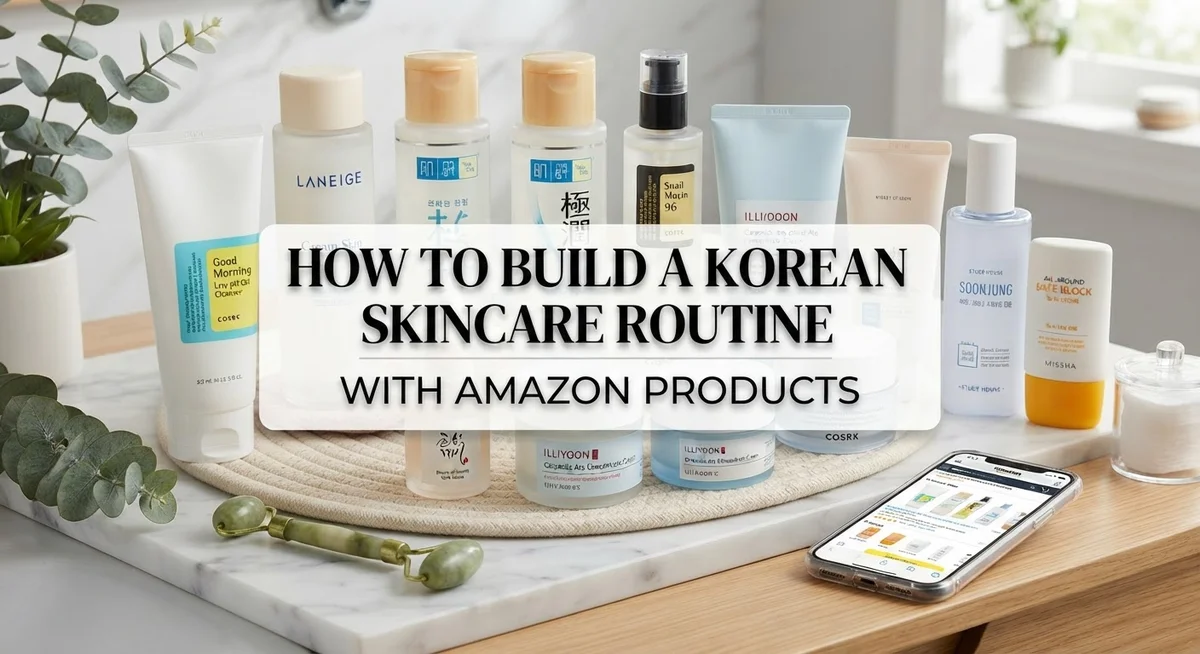
How to Build a Korean Skincare Routine With Amazon Products
Korean skincare has taken over beauty routines worldwide. You have probably seen the glowing skin results and wondered how to start. The good news? You do not need a trip to Seoul to build your own routine.
Amazon makes it easy to find the products you need for a Korean skincare routine. From cleansers to serums, everything is available with fast shipping right to your door.
Many people think Korean skincare means following ten complicated steps every single day. That is simply not true. You can build an effective routine with just three to five products based on what your skin actually needs.
This article will walk you through the real Korean skincare method. We will cover the key steps, from cleansing to moisturizing. You will learn how to identify your skin type first.
We will also share tips on layering products correctly. Plus, we will point out common mistakes to avoid along the way.
By the end, you will know exactly how to create a routine that works for your skin using products found right on Amazon.
In a Nutshell
Here is a quick summary before you dive deeper.
-
The 10 step routine is optional. You can build great skin with far fewer products. Many people succeed with just 3 to 5 items.
-
Know your skin type first. This helps you pick the right cleanser, toner, and moisturizer. It also prevents wasted money on products that don’t suit you.
-
Layering matters more than quantity. Apply lightweight products before heavy ones. This locks in hydration at every step.
-
Sunscreen is non negotiable. Use it every single morning, rain or shine. Skipping this step undoes your other efforts.
-
Add actives slowly. Ingredients like niacinamide or peptides boost brightness and firmness. Introduce them one at a time to watch how your skin reacts.
-
Keep it simple to start. A cleanser, moisturizer, and sunscreen cover your basics. You can expand your routine once these feel comfortable.
This approach keeps things easy and effective from day one.
Understanding the Korean Skincare Philosophy
Korean skincare philosophy centers on prevention and hydration rather than treating problems after they appear. This approach views skin health as a long term investment, not a quick fix. The philosophy embraces the idea that healthy skin glows naturally, so the focus stays on nourishment and protection.
The core belief is that layering lightweight products works better than using one heavy cream. Each layer delivers specific benefits. A toner hydrates. An essence adds moisture. A serum targets concerns. A moisturizer seals everything in. This method maximizes what your skin absorbs instead of wasting products.
Koreans also prioritize gentle, consistent care over aggressive treatments. Harsh scrubbing or strong actives used daily can damage your skin barrier. Instead, the philosophy suggests using mild cleansers and introducing active ingredients slowly. Your skin adapts better this way.
Sunscreen is absolutely essential in Korean skincare. Sun protection prevents aging, dark spots, and damage. Koreans view sunscreen as a daily non negotiable step, not optional. Many use it even on cloudy days.
The philosophy also recognizes that everyone’s skin is different. A routine that works for your friend may not work for you. This is why identifying your skin type matters first. Oily skin needs different products than dry skin. Sensitive skin requires gentler formulations.
Finally, Korean skincare values patience and observation. Results take time. You should notice improvements in texture, brightness, and hydration over weeks, not days. Paying attention to how your skin reacts to each product helps you build a routine that actually works for you.
Identifying Your Skin Type and Needs
Before you buy anything, figure out what your skin actually needs. This step saves you money and prevents wasted purchases.
Determine your skin type first. Skin falls into five main categories: oily, dry, combination, sensitive, and normal. Oily skin produces excess sebum and often feels shiny by midday. Dry skin feels tight and may flake or itch. Combination skin is oily in some zones (usually the T zone) and dry in others. Sensitive skin reacts easily to products and may turn red or itch. Normal skin feels balanced with minimal issues.
To identify your type, wash your face with a gentle cleanser and wait two hours without applying anything. Then observe how your skin feels and looks.
Pay attention to specific concerns. Do you struggle with acne, redness, dullness, or fine lines? Maybe you have texture issues or enlarged pores. Write down what bothers you most. This information guides which actives and serums you actually need.
Consider your climate and lifestyle. People in humid areas often have oilier skin. Cold, dry climates create moisture challenges. Your job matters too. If you spend hours outdoors, sun protection becomes critical. If you work indoors under fluorescent lights, hydration might be your priority.
Track your skin’s behavior. Spend one week observing your skin without new products. Notice when it feels best and worst. Does your skin change with the season? Does stress trigger breakouts? Does diet affect your complexion?
This foundation prevents you from guessing. You will know exactly which product categories matter most. Amazon offers countless options in every category, so knowing your needs helps you choose wisely without feeling overwhelmed.
The 10-Step Routine Explained Step-by-Step
The 10 step routine breaks down into two main phases: cleansing and treatment. Understanding each step helps you decide which ones fit your skin.
Step 1 and 2: Double Cleanse
Start with an oil cleanser to remove makeup, sunscreen, and oil based dirt. Oil dissolves oil, so this works effectively. Follow with a water based cleanser to remove any remaining residue and water soluble impurities. This two step process ensures your skin is truly clean.
Step 3: Exfoliation
Exfoliators remove dead skin cells. Use this step 2 to 3 times per week, not daily. Physical exfoliators have small grains. Chemical exfoliators use acids like AHAs or BHAs. Choose based on your skin sensitivity.
Step 4: Toner
Toners prep your skin for the products that follow. They balance pH and add hydration. Apply with your hands or a cotton pad. Pat gently rather than rubbing.
Steps 5 to 9: Treatment Layer
This is where essences, serums, and ampoules go. Essences are lightweight and hydrating. Serums target specific concerns like brightness or firmness. Actives contain powerful ingredients. Hydrators add moisture. Sheet masks fit here too. Apply products from thinnest to thickest consistency.
Step 10: Moisturizer and Sunscreen
Seal everything with a moisturizer suited to your skin type. In the morning, always finish with sunscreen. At night, skip sunscreen and use a heavier night cream if needed.
The Key Point
You don’t need all 10 steps. Many people use 4 to 6 and see excellent results. Start with the basics: cleanser, toner, moisturizer, and sunscreen. Add treatment products gradually as your skin adjusts.
Simplifying Your Routine to 3–5 Core Products
Most people think Korean skincare requires all 10 steps. This is false. You can get excellent results with just 3 to 5 products that match your skin type and concerns.
Start by asking yourself what your skin actually needs. Do you want hydration, clarity, or firmness? Your answer shapes everything else. A simplified routine focuses on essentials first, then adds targeted treatments.
The minimum routine includes three products: cleanser, moisturizer, and sunscreen. A cleanser removes dirt and makeup. A moisturizer hydrates and protects your skin barrier. Sunscreen prevents damage and aging. These three alone create a solid foundation.
If you want to expand slightly, add one or two more products. Many people benefit from a toner after cleansing. Toners prep your skin to absorb serums better. You could also add a serum or essence targeting your main concern, like dullness or sensitivity.
The key is layering lightweight products instead of using one heavy cream. This approach lets each product do its job without overwhelming your skin. Start with the thinnest consistency and work toward thicker products.
When building your 3 to 5 product routine, introduce each item slowly. Use one new product for one to two weeks before adding another. This helps you spot any reactions or irritation.
Your routine should take 5 to 10 minutes maximum. If it takes longer, you have too many steps. Consistency matters more than complexity. Using five products every single day beats using ten products sporadically.
Remember that simplicity works. Korean beauty emphasizes smart choices over quantity. Find what works for your skin, stick with it, and adjust only when needed.
Layering Techniques for Maximum Absorption
Layering is the heart of Korean skincare. The goal is simple: apply products from thinnest to thickest so each one absorbs properly into your skin.
Start with the lightest textures first. After cleansing and toning, apply your essence. Essences are watery and penetrate deeply. Wait 10 to 15 seconds before moving to the next step. This brief pause lets each layer sink in fully.
Next comes your serum or ampoule. These are more concentrated than essences. Pat them gently into your skin using your fingertips. Avoid rubbing or tugging. Let this layer absorb for another 10 to 15 seconds.
Add your treatment products next. This might include an active ingredient like niacinamide or peptides. Apply a small amount and press it into your skin with your palms. Patting motions work better than spreading.
Sheet masks fit into this phase too. Use them after your serums but before your final moisturizer. Leave the mask on for 15 to 20 minutes. The essence soaks into your skin during this time.
Finish with your moisturizer. This is your thickest product and seals everything underneath. Apply it to damp skin for better absorption. If you use sunscreen in the morning, apply it last.
The key rule: wait between layers. Rushing through your routine reduces absorption. Damp skin absorbs products better than completely dry skin. You don’t need to soak your face. Just keep it slightly moist between steps.
This layering method works for all skin types. Oily skin benefits from lightweight layers instead of one heavy cream. Dry skin gets maximum hydration from multiple thin layers. Start with this basic approach and adjust based on how your skin responds.
Morning vs Evening Routine Differences
Your morning and evening routines serve different purposes. Morning routines focus on protection and preparation for the day. Evening routines focus on repair and deep treatment while you sleep.
Morning Routine Priorities
The morning routine is shorter and lighter. You want to cleanse your skin gently and apply protection. Start with a water based cleanser to remove overnight oil and sweat. Skip the oil cleanser in the morning unless you have very oily skin.
After cleansing, apply a hydrating toner or essence. This preps your skin for the next steps. Add a lightweight serum or ampoule if your skin needs extra hydration or brightening. Follow with a moisturizer suited to your skin type.
Sunscreen is non negotiable in the morning. This is the most important step. UV protection prevents aging and damage. Apply sunscreen as your final step, at least 15 minutes before going outside.
Evening Routine Priorities
Your evening routine can be longer and more intensive. This is when your skin repairs itself. Start with double cleansing: oil cleanser first, then water based cleanser. This removes all makeup, sunscreen, and dirt from the day.
After cleansing, you can add more treatment layers. This is the time for exfoliators, essences, serums, and sheet masks. Your skin absorbs active ingredients better at night. Layer your products from thinnest to thickest texture.
Finish with a richer night moisturizer or sleeping mask. Your skin needs extra hydration during sleep. This is also when you can use targeted treatments for acne, aging, or sensitivity.
The key difference: mornings protect and prepare, while evenings repair and treat.
Common Mistakes to Avoid
Many people rush into Korean skincare and make choices that hurt their skin instead of helping it. Understanding these errors keeps you from wasting money and time.
Overcomplicating your routine is the biggest mistake. You don’t need 10 steps to see results. Your skin works better with fewer, well chosen products that actually address your concerns. Start small and add products only when you notice your skin needs them.
Skipping the patch test causes real problems. New products can trigger reactions, redness, or breakouts. Apply a small amount behind your ear or on your inner arm first. Wait 24 hours before using it on your face.
Introducing too many products at once makes it impossible to know which one caused a reaction. Add one product every one to two weeks. This way you can track what works and what doesn’t for your specific skin.
Ignoring your actual skin type leads to frustration. Oily skin needs different products than dry or combination skin. Be honest about your skin’s needs rather than following someone else’s routine.
Using products in the wrong order reduces their effectiveness. Lightweight products always go first, then heavier ones. This lets each layer absorb properly instead of sitting on top of each other.
Forgetting consistency matters most. Korean skincare works because people use products regularly, not because of expensive ingredients. Stick with your routine for at least four weeks before deciding if it works.
Mixing incompatible ingredients can damage your skin barrier. Some actives don’t play well together. Research before combining strong ingredients like retinol with vitamin C or acids.
Troubleshooting Skin Reactions and Adjustments
When you introduce new Korean skincare products, your skin may react in unexpected ways. This is normal, but you need to know how to respond. Redness, itching, or mild irritation often means your skin is adjusting to an active ingredient like niacinamide or peptides.
Stop using the new product immediately if irritation worsens after three days. Your skin barrier may be compromised. Return to your basic cleanser, moisturizer, and sunscreen only until the reaction clears.
Mild tingling or slight dryness can indicate your skin is adapting. Wait five to seven days before deciding if you should continue. If symptoms improve, the product is likely working. If they get worse, remove it from your routine.
Track which product caused the reaction by keeping a simple log. Write down the product name, when you used it, and what happened. This helps you avoid similar ingredients in the future.
Some reactions require slower introduction. If you’re using an exfoliator or treatment serum, use it just twice weekly at first. Increase frequency only after your skin tolerates it well.
Never layer new products together. Add one item every two weeks so you can identify the culprit if problems occur. This patience saves your skin from unnecessary damage.
If irritation includes swelling, severe burning, or rash that spreads, stop all products and consult a dermatologist. These signs mean your skin needs professional help, not home treatment.
Adjustments are part of building your routine. Your skin changes with seasons and stress levels. What works in winter may need tweaking in summer. Stay flexible and listen to what your skin tells you.
Final Thoughts
Building a Korean skincare routine does not need to be complicated. You can start small and grow your routine over time.
Focus on your skin’s actual needs instead of copying someone else’s routine. A cleanser, moisturizer, and sunscreen cover the basics well.
Once your skin feels balanced with these steps, you can slowly add more products. Essences, serums, and masks work great once your foundation is solid.
Remember that consistency matters more than complexity. Using three products every single day beats using ten products randomly.
Patience is key with Korean skincare. Your skin needs time to adjust to new ingredients and layering techniques.
Watch how your skin responds each week. This helps you understand what truly works for your unique skin type.
Amazon offers many options across every price range and skin concern. Take time to read ingredient lists and product descriptions carefully.
Morning and evening routines will naturally differ as you learn what your skin needs at different times. This is completely normal and expected.
Do not feel pressured to follow the full ten step method. Many people get great results with just five core products.
Skincare should feel enjoyable, not stressful. If a routine feels overwhelming, simplify it immediately.
Your skin will thank you for choosing gentle progress over quick, harsh changes. Small consistent steps create lasting results.
Trust the process and give your skin grace as it adjusts. Korean skincare rewards patience and steady care.
Start today with confidence. Your personalized routine is within reach, one thoughtful step at a time.
Frequently Asked Questions
Do I really need all 10 steps for Korean skincare?
No. The 10-step routine is optional, not required. Many Koreans use only 3 to 5 products based on their skin needs. Start with the essentials: a cleanser, moisturizer, and sunscreen. Add more products only when your skin asks for them.
The 10-step model works as a guide. You pick what your skin actually needs instead of following every single step.
What is the correct order to apply products?
Order matters because products work best when layered from lightest to heaviest. Start with a cleanser, then toner, essence, serum, and active ingredients. Follow with hydrators like sheet masks or ampoules.
Finish with moisturizer and sunscreen in the morning. At night, you can skip sunscreen and use a heavier night cream instead.
Can I use Korean skincare if I have sensitive skin?
Yes, but introduce products slowly. Start with one new product every two weeks so you know which one works or causes problems. Sensitive skin often benefits from hydrating toners and gentle essences.
Avoid products with alcohol or strong actives at first. Patch test on your inner arm before applying to your face.
How often should I use sheet masks?
Sheet masks fit into your hydration phase. Use them 2 to 3 times per week for extra moisture, or daily if your skin feels very dry. They work best after your essence or serum.
Don’t rely on sheet masks alone. They supplement your routine, not replace it.
Is sunscreen really necessary every day?
Yes. Sunscreen is non-negotiable in Korean skincare. Use it every morning, even on cloudy days or when you stay indoors. UV damage happens year-round and causes aging, dark spots, and skin damage.
Apply sunscreen as your final morning step, after all other products dry.

Dillip started Before You Checkout after one too many disappointing online purchases, and now spends his time researching products across home, tech, fitness, and everyday essentials. He writes straightforward reviews and how-to guides for people who want a clear answer, not a sales pitch.